Corrie’s father turned on the old table radio to warm it up. Corrie felt that the small, portable one would have worked just fine, but her father insisted on using this old one. It was to be a major broadcast, he said, and the old radio had an elaborate speaker. The prime minister of the Netherlands was to address the Dutch nation.
It was 9:15 on a Thursday night, an hour when Corrie, Father, and Corrie’s sister Betsie normally would be heading upstairs to bed. As was their custom, they had already said their prayers and read a passage from the Bible. But, this evening, they would stay up a little later.

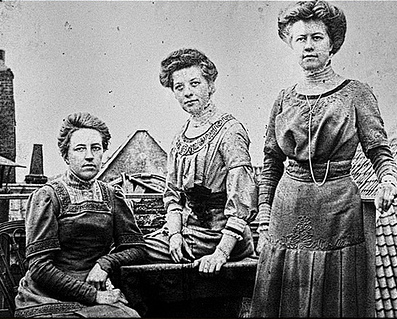
Corrie, Betsie, and Nollie Ten Boom
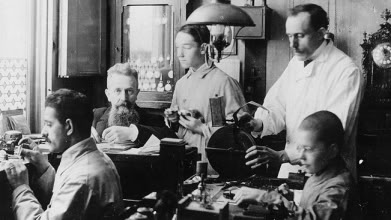
The Ten Boom family lived above their watch shop in Haarlem in the Netherlands (Holland).

Casper Ten Boom in watch shop
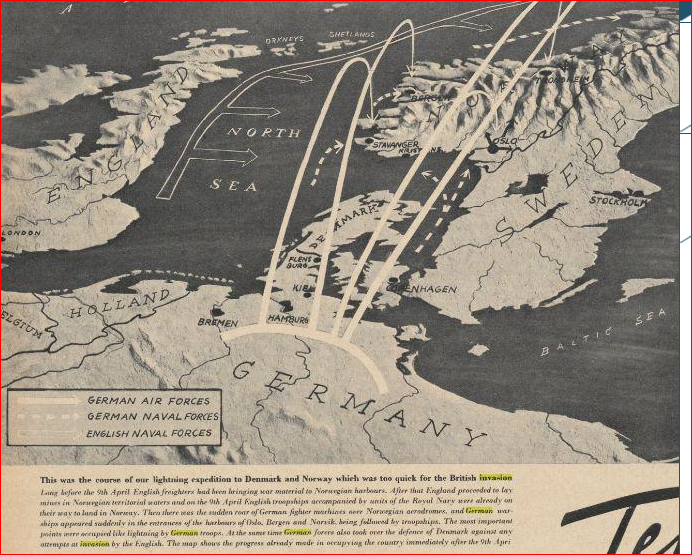
It was May 9, 1940. World War II was raging in Europe. The aggressive German army had invaded and occupied Poland, Norway, and Denmark. As a result, England and France had declared war on Germany. The Netherlands, however, did not and would not enter the conflict. They had declared their neutrality, the same as they had done in the first world war. Germany had respected their neutrality then and would do so again, they expected.
But every day fresh rumors reached their ears of an impending German invasion. Would Holland be drawn into the war? To calm these fears, the German Nazis repeatedly pledged goodwill to the people of the Netherlands. Many times Corrie had heard Hitler himself on the radio, promising the Dutch people that he would not invade their country.
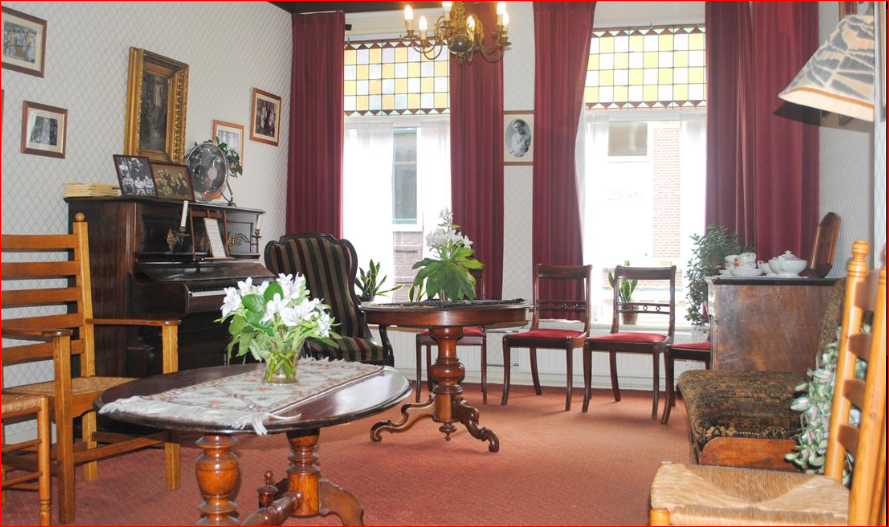
Finally, it was 9:30, and time for the prime minister’s speech. The Ten Booms pulled their wooden, high-backed chairs closer to the radio, leaning in to listen, tense.

The parlor of the Ten Boom house in Haarlem, the Netherlands
The prime minister’s voice filtered over the air waves. Tonight, it was pleasant and soothing. He told the Dutch people that there was no reason to worry. There would be no war. He knew it for a fact. He had spoken to people in high places.
In spite of the prime minister’s encouraging words, The Ten Booms were not comforted. The broadcast ended. They went upstairs to bed.
Five hours later and 37 miles south down the coast, 19 year old Diet (Deet) Eman woke up to noise outside her bedroom window. It was about 3 in the morning. It sounded as if someone was beating a rug. It was a steady, staccato sound – “pop-pop-pop” – only much faster. Deet lived in The Hague, Netherlands, where Queen Wilhelmina and her government were established.

Diet Eman was 19 years old when the Germans invaded the Netherlands
“This is crazy!” She thought. “Some idiot is beating rugs right now, and it’s pitch dark outside.” It’s true it was Friday morning and Friday was the day of the week that Dutch women typically beat rugs. But who would beat rugs at three in the morning?
What Diet heard was the first sound of the war. The Germans had invaded the Netherlands. The skies were filled with German parachutists falling. German Stukas dive-bombed the airfield, wiping out the Dutch biplanes. Diet’s sister’s fiancé, part of the weak Dutch army, was killed that day in the German bombing.

German parachutists attack the Netherlands May 10-14, 1940
The Dutch people had been caught off guard. So many times they had readied for invasion only to discover it was a false alarm. Over time, they had grown complacent, caught in the net of Nazi lies and deception.
Some of the invading German soldiers crossed the border and parachuted from planes in disguise. They wore Dutch, French, and Belgian military uniforms and carried machine guns. Their disguises allowed them to roam freely behind the Dutch lines. It was Hitler’s idea to deceive and infiltrate the enemy; the Dutch army would be confused and not know who to shoot, the French and the Belgians being their allies. Dutch Nazis met them upon arrival and aided their sabotage activities. Other German soldiers dressed up as nuns, bicyclists, priests, peasants, and schoolboys in order to move undetected among the Dutch population. They seized key strongholds like water controls and bridges to pave the way for the German infantry.

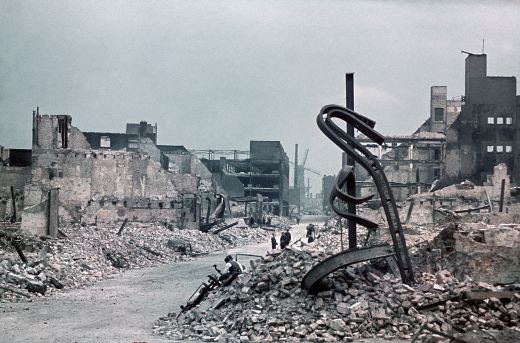
Peace talks were underway when the Germans went ahead and ruthlessly bombed Rotterdam, the Netherlands. This was the message: If the Netherlands doesn’t surrender, we will do what we did to Rotterdam to every one of the Dutch cities until you surrender.
The German blitzkrieg crushed the Dutch defenses in five days, allowing the Germans to turn their attention then to invading France. On May 14, 1940, the Netherlands surrendered and the German occupation began in earnest. Germans moved swiftly to prepare Dutch airbases to send missiles to destroy England.

With the May 1940 occupation of Holland, Germany is poised to attack England.
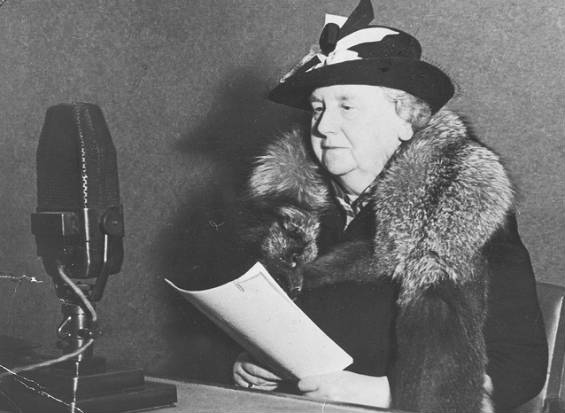
However, Queen Wilhelmina had foiled the Nazi plot to kidnap her and escaped, by boat, to England, where she set up a government in exile. Thanks to the BBC radio network, she was able to speak to her people for the next five years over the radio, urging them to resist the Germans.
It was revealed that the Nazis who had been trained to capture her – but had failed – had taken lessons in how to correctly address royalty. After capturing her, the plan went, a German general would come calling, a bouquet of flowers in hand, and attempt to persuade her to call off all resistance activity.
Read Full Post »