Feeds:
Posts
Comments

Actress Elizabeth Taylor had stunning beauty. She was such a gorgeous little girl that, when people would see her for the first time, they would gasp in astonishment, staring at her sapphire eyes wreathed in thick black lashes and the shiny black hair framing her porcelain face.  “What a pretty child !” they would exclaim, prompting the well-rehearsed Elizabeth to curtsey and smile.

Elizabeth Taylor in “Lassie Come Home,” 1943.

But Elizabeth was not always gorgeous, said her mother, Sara Taylor, a former stage actress. She considered Elizabeth to be quite an ugly baby when born in London on February 27, 1932.

Sara Taylor cradles her newborn daughter, the future movie queen Elizabeth Taylor (1932-2011)

At first glance at her newborn, Sara was repulsed:

“As the precious bundle was placed in my arms, my heart stood still. There inside the cashmere shawl was the funniest-looking baby I had ever seen. Her hair was long and black. Her ears were covered with thick black fuzz, and inlaid into the sides of her head….”(1)

Baby Elizabeth’s arms, shoulders, and back were covered with a thick downy pelt called lanugo, not uncommon in newborns.

“The infant looked like a little monkey,” remembered Viennese art dealer and family friend Ernest Lowy. (2)

Compounding the problem, Elizabeth’s eyes were screwed tightly shut. For ten days, the doctor tried to pry them open unsuccessfully, finding only the whites visible. Then one day, Baby Elizabeth suddenly snapped open her eyes and gazed up at her new mother. Sara found herself gazing down into two pools of deep violet fringed by thick black lashes – double rows of lashes! Then the baby smiled. Sara considered this a special greeting from her daughter and told the nurse so. The nurse chuckled, reminding Mrs. Taylor that infants can’t express emotion:

“That was no smile,” the nurse indicated, “only a little gas.” (3)

Elizabeth Taylor in profile, ca. 1934

The dark fuzz fell off and a swan emerged.

Elizabeth Taylor didn’t begin to walk until she was 16 months old. She is shown here with one of the many dogs for which she cared during her lifetime. ca.1934-35


As a young girl, Elizabeth Taylor had a big head on a little body. “What a podge!” she remarked, upon seeing a young photo of herself. 1934.


Peter Lawford and Elizabeth Taylor in this publicity shot for "Julia Misbehaves" (1948). In this unretouched 1950 publicity photo, one can see La Liz's arms were covered in a dark and velvety down, in keeping with her being a beautiful brunette.

Peter Lawford and Elizabeth Taylor in this publicity shot for “Julia Misbehaves” (1948). In this unretouched 1950 publicity photo, one can see La Liz’s arms were covered in a dark and velvety down, in keeping with her being a beautiful brunette.


(1) Ladies’ Home Journal,  March- April 1954.

(2) Heymann, C. David. Liz: An Intimate Biography of Elizabeth Taylor. New York: Simon & Schuster, Inc., 1995, 2011.

(3)  Walker, Alexander. Elizabeth: The Life of Elizabeth Taylor. New York: Grove Press, 1990, 1997.

Readers: For more on Elizabeth Taylor on Lisa’s History Room, click here.

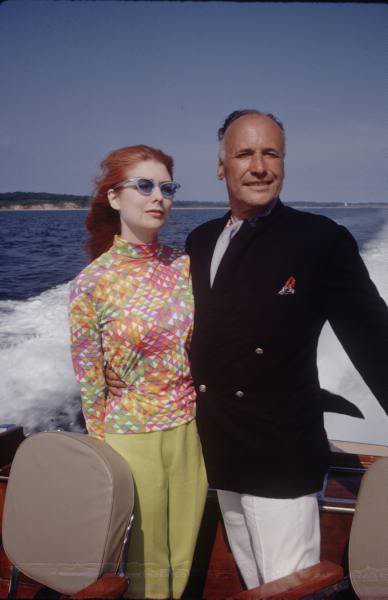
Robert Wagner and Natalie Wood aboard their yacht the Splendour. Undated photo.

Robert Wagner and Natalie Wood aboard their yacht the Splendour. Undated photo.

According to a witness whose account has never been disclosed, Hollywood star Natalie Wood  was screaming for help as she drowned in 1981.

Retired stockbroker Marilyn Wayne said she tried to report the star’s ‘last desperate cries for help’ but was ignored.

Los Angeles police last week said ‘substantial new evidence’ has led them to reopen their investigation into the death 30 years ago this week.

Learn more at the Daily Mail Online.

Readers: For more on Natalie Wood on Lisa’s History Room, click here.

Is Kate pregnant? While William, 29, plus the Danish Crown Prince and Princess tasted peanut paste at a recent visit to a global supply center for Unicef, Kate politely refused -- and reportedly gave her husband of six months a knowing look.

Tabloids are abuzz with speculation that Kate Middleton, the Duchess of Cambridge, is expecting her first child with Prince William. Buckingham Palace refuses to deny or confirm such a statement but there are hints that there may be some truth to the rumor.

It is all started with Kate refused to sample some peanut paste in a Unicef food packet in a royal visit to Copenhagen. (Doctors warn expectant mothers against eating nuts.) She further fueled speculation  on another occasion when she refused a glass of champagne while hosting a charity dinner on behalf of Prince Charles. (Expectant mothers shouldn’t drink alcohol.)

In Touch magazine claims that Kate is six weeks pregnant. In Touch‘s sources have been reliable in the past, having correctly revealed both the couple’s honeymoon plans and the Queen‘s wedding gift to Kate.

Learn more at The Daily Beast.

Readers: For more on Kate, the Duchess of Cambridge, on Lisa’s History Room, click here.
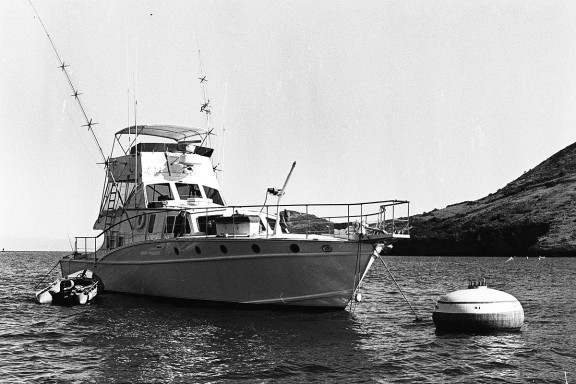
Natalie Wood was born "Natalia Nikolaevna Zakharenko" on July 20, 1938, to Russian immigrant parents. She began acting in Hollywood movies at the age of 4. She died by drowning at the age of 43 during the production of "Brainstorm" (1983) with Christopher Walken.

How did actress Natalie Wood, famous for her star turn in Rebel Without a Cause and West Side Story, end up drowning off Santa Catalina Island, California, in 1981 while boating with actor husband Robert Wagner and costar Christopher Walker? Though officially ruled an accident at the time, the circumstances that led to her death and the nature of her tumble off the yacht the Splendour she owned with Wagner have remained one of Hollywood’s darkest mysteries.

Robert Wagner bends over to kiss flowers that cover the casket of his wife Natalie Wood during her graveside ceremonies on December 2, 1981. If Wagner discovered that his wife was missing from their yacht around midnight, why did he wait over an hour to use the ship's radio to call for help? These and other questions surrounding Woods' death remain unanswered.

Today, 30 years later, the Los Angeles Sheriff’s Department has announced that it is reopening the case of Natalie Woods’ drowning due to “credible information” from multiple sources. One source is Dennis Davern, who was the boat captain of the Splendour that dark and fateful night, a night full of boozing and yelling and tragedy. Davern now says that he lied in his original statement to the police and that Robert Wagner is responsible for Wood’s death.

"Splendour," the yacht owned by Natalie Wood and Robert Wagner

Learn more at MSNBC.

Readers: For more on Natalie Wood on Lisa’s History Room, click here.

British American screenstar Elizabeth Taylor (1932-2011) as a young girl.

Just after actress Elizabeth Taylor was born, her parents were ushered into the doctor’s office and told that their newborn daughter had a mutation. 

 “Well, that sounded just awful,” her mother Sara Taylor said later,”a mutation.”

The mutation was not a deformity, however. It meant that little Elizabeth was born with double rows of eyelashes.

Elizabeth Taylor, age 10

Sara breathed a little easier to learn that.

“I thought,well, now, that doesn’t sound so terrible at all.”

Elizabeth’s eyes were stunning – large and blue, rimmed by deep, thick lashes. When caught in the light, the color of her eyes was almost violet. (1)

Elizabeth Taylor had luminous beauty - and double rows of eyelashes.

Double rows of eyelashes are usually the result of a mutation at FOXC2 , a gene that influences all kinds of tissue development in embryos. FOXC2 mutations are thought to be responsible for, among other things, lymphedema-distichiasissyndrome , a hereditary disease that can cause disorders of the lymphatic system, in addition to double eyelashes.

The eyelash mutation isn’t always as cosmetically enhancing as Taylor’s turned out to be — the extra eyelashes can sometimes grow inward and damage the cornea. In addition, seven percent of people with lymphedema-distichiasis syndrome also suffer from congenital heart disease.

Coincidentally, Taylor herself had a history of heart problems. In 2009, Taylor underwent surgery to repair a leaky heart valve. Her death on March 23, 2011, was attributed to congestive heart failure.

In April 2010, Elizabeth Taylor launched a new line of perfume "Violet Eyes": "This sensual perfume is inspired by her iconic eye color; it is feminine, captivating, sophisticated and intriguing. Filled with a bouquet of the flowers Elizabeth Taylor loves, the composition is both modern and mysterious."

Source:  Slate

Readers, for more on Elizabeth Taylor at Lisa’s History Room, click here.

Elizabeth Taylor on the Rome set of the film, "Cleopatra," 1962, where she began her scandalous affair with costar Richard Burton. Dame Liz wears her diamond ring from her late husband Mike Todd and the diamond, emerald, and gold bangle watch by Bulgari, Jaeger-LeCoultre

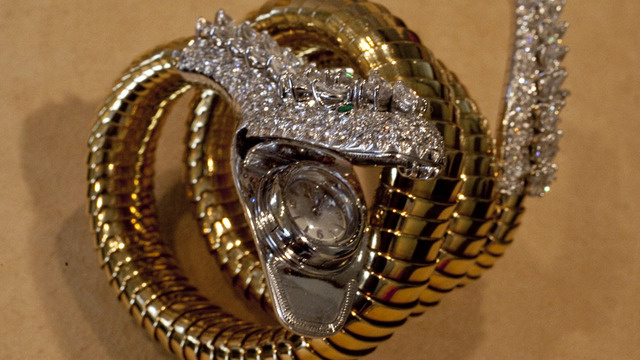
Christie’s auction house is selling screen sensation Elizabeth Taylor’s complete jewelry collection in New York City on Dec. 13-16, 2011. Among the pieces to be sold is the diamond, emerald, and gold “snake” brackelet watch by Bulgari, ca. 1961, shown below:

This cobra bangle watch by Bulgari, estimated at $12,000-15,000, is to be sold at Christie's auction of the Elizabeth Taylor Collection, Dec. 13, 2011.

Readers: For more on The Collection of Elizabeth Taylor Auction by Christie’s, click here and here.

Readers: For more on Elizabeth Taylor here at Lisa’s History Room, click here.

In 2009, British Esquire named Prince Charles the World's Best Dressed Man. "He is perfectly turned out in a double-breasted suit," they claim. "Admirably, the prince keeps his wardrobe in appropriate style: we're told he has a room laid out like a tailor's shop."

Not in Front of the Corgis,  a new book to be released in June 2012 by biographer Brian Hoey, gives us a “behind closed doors” look at the British Royal Family.  Here’s a preview of a section on Prince Charles and Camilla:

Prince Charles employs 133 staff to look after him and Camilla, more than 60 of them domestics: chefs, cooks, footmen, housemaids, gardeners, chauffeurs, cleaners, and his three personal valets—gentleman’s gentlemen—whose sole responsibility is the care of their royal master’s extensive wardrobe and choosing what he is to wear on any particular day. A serving soldier polishes the prince’s boots and shoes every day—he has 50 handmade pairs each costing over £800 ($1275) by Lobb of St James’s—and a housemaid washes his underwear as soon as it is discarded.

Nothing Charles or Camilla wears is ever allowed near a washing machine. Particular attention is paid to handkerchiefs, which are monogrammed and again all hand-washed, as it was found that when they were sent to a laundry, some would go missing—as souvenirs. HRH’s suits, of which he has 60, cost more than £3,000 ($4780) each, and his shirts, all handmade, cost £350 ($558) a time (he has more than 200), while his collar stiffeners are solid gold or silver. Charles’s valets also iron the laces of his shoes whenever they are taken off.

Source: The Daily Beast

Readers: For more on the British Royal Family on this blog, click here.
At a 1968 British society wedding in Kent, Hollywood legend Elizabeth Taylor snaps a souvenir picture of the Queen Mum (seated), mother of Queen Elizabeth II. The Queen Mum

At a 1968 British society wedding in Kent, Hollywood legend Elizabeth Taylor cannot resist snapping a souvenir picture of "the Queen Mum" (seated), mother of Queen Elizabeth II.

“The Queen Mum,” born Elizabeth Bowes-Lyon (1900-2002), was the beloved British Royal Family matriarch from 1953 until her death at age 101. Of Scottish birth, she served as Queen consort to her husband King George VI from 1936 until his death in 1952, when their daughter Princess Elizabeth took the throne as Elizabeth II.

During the London Blitz in WWII, the Queen Mum – who was then naturally referred to as Queen Elizabeth – insisted that she and the King remain in Buckingham Palace after it was bombed by the German luftwaffe. The Queen remarked to her mother-in-law that she was more affected by the bombing of the East End of London than by the bombing of the Palace:

“I’m glad we have been bombed,” she said. “Now, I can look the East End in the eye.” (1)

British King George VI and his wife Queen Elizabeth (later Elizabeth, the Queen Mother) survey the damage to Buckingham Palace from German bombs. Both the King and Queen were in the Palace when the attack hit the palace grounds and chapel on the morning of September 13, 1940. As they made their way to the palace shelter, they felt the Palace shake under the assault of high explosive and incendiary bombs. They were unhurt. Undeterred by the danger, the royal couple vowed to stay in London in the Palace.

I am still just as frightened of bombs as I was at the beginning,” the Queen wrote to a favourite niece. “I turn bright red and my heart hammers….I’m a beastly coward but I do believe that a lot people are, so I don’t mind! Well, darling, I must stop. Tinkety tonk old fruit and down with the Nazis.”(2)

Her indomitable spirit in the face of German aggression boosted British morale to such a degree that Adolf Hitler called her “the most dangerous woman in Europe.”

Her scary skinny sister-in-law, Wallis, the Duchess of Windsor, hated and mocked her, calling her by the unflattering nickname “Cookie” behind her back, mocking her love of sweets and resulting plumpness. The Queen Mum, however, did not hide her love of fun, jokes, champagne, and good food. In the 2010 movie, “The King’s Speech,” the Queen Mum, played by Helena Bonham Carter, is shown eating candies in the backseat of a car.

Her ultimate accolade for anyone or anything was “delicious.”(2)

Elizabeth, the Queen Mother

A new book by British monarchy chronicler, Brian Hoey, gives us yet another “behind the palace walls” glimpse of the Queen Mum enjoying her sweets.  Not in Front of the Corgis, scheduled for a June 2012 release, relates this anecdote: 

Lord Callaghan, when he was prime minister (1976-1979), was a frequent guest of the Queen Mother’s at Clarence House. Once, when just the two of them were present, she was eating from an enormous box of chocolates when he arrived.  She asked him if he would like one. He said, “Yes.” She then pointed to one in the middle of the box and said, “Have that one.” During the time he was eating his one specified chocolate, she ate three more. 

She then invited him to take another, once again selecting the one he should have. This went on for the remainder of the morning, with Her Majesty always pointing to the ones he could have.

As Callaghan left, he spoke to The Queen’s Page, asking why he was offered only particular chocolates by the Queen. The Page let him in on the secret:

“Those are the ones with hard centers. Her Majesty only eats the chocolates with soft centers.”(3)

(1) Source: BBC

(2) Source: The Daily Beast

(3) Source: The Daily Beast

Faithful readers:

  •  For more on the Queen Mum on this blog, click here.
  • For more on the British Royal Family on this blog, click here.
  • For more on Elizabeth Taylor on this blog, click here.
  • For more on Wallis, the Duchess of Windsor on this blog, click here.

Amy Winehouse died of alcohol poisoning.

Yesterday, as I reported, the coroner at St. Pancras Coroner’s Office, London, released the toxicology report on Amy Winehouse, the 27-year-old British singer found dead in her flat on July 23. The official finding is that Winehouse’s death was due to alcohol poisoning. Her blood alcohol contained five times the legal limit of alcohol, which stopped her breathing and sent her into a coma. Three empty vodka bottles were found near her body in her bedroom.

Ironically, Amy Winehouse burst upon the international music scene with her 2006 hit single, “Rehab,” in which she famously refuses treatment for her alcohol and drug abuse:

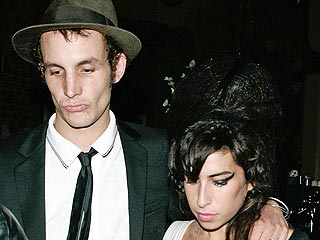
“Rehab” became her anthem over the next five years as we watched, played out in the press, her very public spiral downward, in particular, the tumult that led up to her divorce from Blake Fielder-Civil, her husband of two years, whom she had met in a bar:

Blake Fielder-Civil and Amy Winehouse

“In addition to the reported drug use, Winehouse was famously caught on video carving the words ‘I Love Blake’ into her stomach with a shard of glass, and during an interview with Rolling Stone magazine, she displayed photos of the couple passing pills to each other with their tongues.

But the Sid-and-Nancy-style love affair was also accompanied by photos of heated arguments that ended with both sporting bruises and scratches, as well as an arrest in Norway in October 2007 for marijuana possession; the couple were released with a fine. Just months after the wedding, Fielder-Civil was arrested on charges of suspicion of attacking a bar landlord and attempting to bribe him to drop the allegation. Following his incarceration, Winehouse was frequently seen wandering the streets of her Camden neighborhood in a daze, and she subsequently canceled a U.S. tour.” (source)

Some people laughed at Amy’s troubles; others scolded her for her misbehavior. Those familiar with addiction did neither. They knew all too well this predictable pattern. If Amy didn’t get treatment for addiction, she would die.

At yesterday’s inquest, Amy’s parents and friends listened as Amy’s doctor recounted how Amy had been totally resistant to any therapies that could have helped her with her drinking problems. That foolish decision robbed her of her health, beauty, freedom, and happiness, and, finally, her life.

In reporting the inquest’s findings, I have run across some websites with headlines saying, to the effect, that Amy did it to herself, that she deserves no pity: she drank herself to death. You will find none of these attitudes here. Yes, Amy Winehouse is responsible for her own troubles and the suffering she caused herself and others. But Amy was grappling with something she was powerless to control. She was an alcoholic who tried to control her drinking, which she could not.

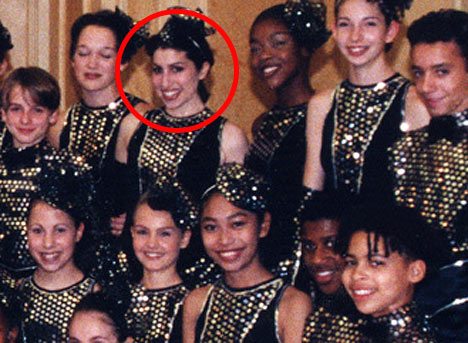
Amy Winehouse, circled, as a 13-year-old pupil at the Sylvia Young Theatre.

Addiction is an illness. It is chronic, progressive, and, if left untreated, sometimes fatal. Amy Winehouse suffered from an illness she dangerously thought she could manage alone. Rest in peace, Amy Winehouse.

For more on Amy Winehouse on this blog, click here.
British singer Amy Winehouse lost her battle with addiction.

It looks like we have an explanation for Amy Winehouse‘s tragic death. A coroner says the singer died from drinking too much alcohol, ruling it a “death by misadventure.” A pathologist says Winehouse (1983-2011) consumed a “very large quantity of alcohol” prior to her death and that her blood registered at 4.5 times over the legal drunk-driving limit. Winehouse, who died this summer at the age of 27, had struggled with drug and alcohol addiction for years.

Her doctor says she had resumed drinking in the days before her death after a period of abstinence (which we don’t have to believe).

O blessed Lord, you ministered to all who came to you:
Look with compassion upon all who through addiction have lost their health and freedom.
Restore to them the assurance of your unfailing mercy.
Remove from them the fears that beset them.
Strengthen them in the work of their recovery;
And to those who care for them, give patient understanding and persevering love.
Amen.

source: The Book of Common Prayer

Read the coroner’s report on Amy Winehouse at the Associated Press.

Read about Amy Winehouse last days at the Daily Mail Online.

Read more about Amy Winehouse on this blog by clicking here.


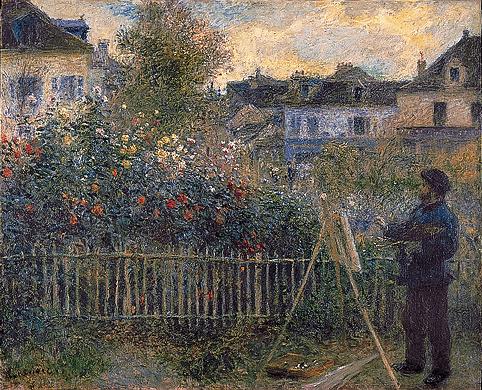
As a young man, French painter Claude Monet (1840-1926) abandoned the traditional approach to painting – standing in a studio, copying the old masters – in favor of painting scenes in the open air. Monet delighted in the interplay of color and light found in nature. He loved to paint in his garden at Argenteuil, a pretty, bustling village just outside of Paris.

"Monet Painting in His Argenteuil Garden," by Auguste Renoir, 1873

A spectacular stretch of the Seine, where the river reached its widest and deepest points, ran through Argenteuil.  Shortly after moving there in 1871, Monet bought a boat and converted it into a floating studio. He kept it moored near his home and used it to get a vista of the riverbank from the water.

"Claude Monet Painting on His Studio Boat," by Édouard Manet, 1874. The shadowy female figure sitting with the artist is his wife and model Camille Doncieux Monet.

Living with Monet at Argenteuil were his wife Camille Doncieux and their son Jean. Camille had been Monet’s model since they met in 1865. The couple lived in depressing poverty.

Claude Monet (1860) and wife Camille Doncieux Monet (undated)

Right up to her death, Camille posed for her husband’s paintings, more often than not, appearing as an indistinct female figure in a rural landscape.

"River Scene at Bennecourt," Claude Monet, 1868

Sometimes Camille has her back to the observer; othertimes her face is veiled or hidden.

"Camille on the Beach at Trouville," by Claude Monet, 1870

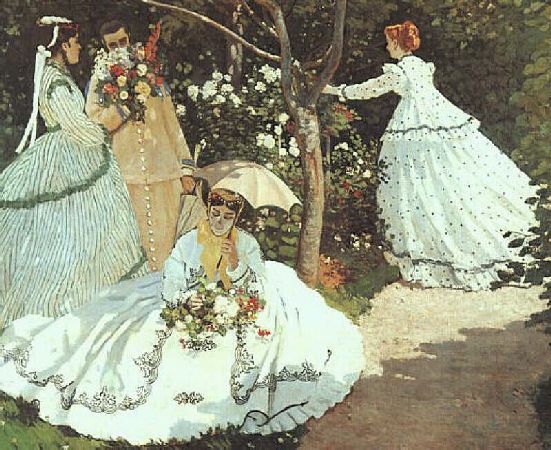
Camille was quite the devoted model. In Monet’s painting, “Women in a Garden” (1866-67), she posed for all four female figures!

"Women in a Garden," Claude Monet, 1866-67

Camille was so cooperative that she freely posed for Monet’s painter friends, too.

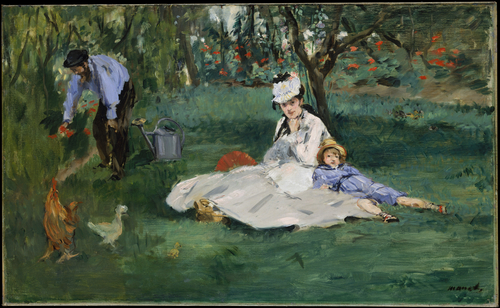
"The Monet Family in Their Garden at Argenteuil," by Édouard Manet, 1874. Camille and son Jean relax while Claude Monet tends his garden.

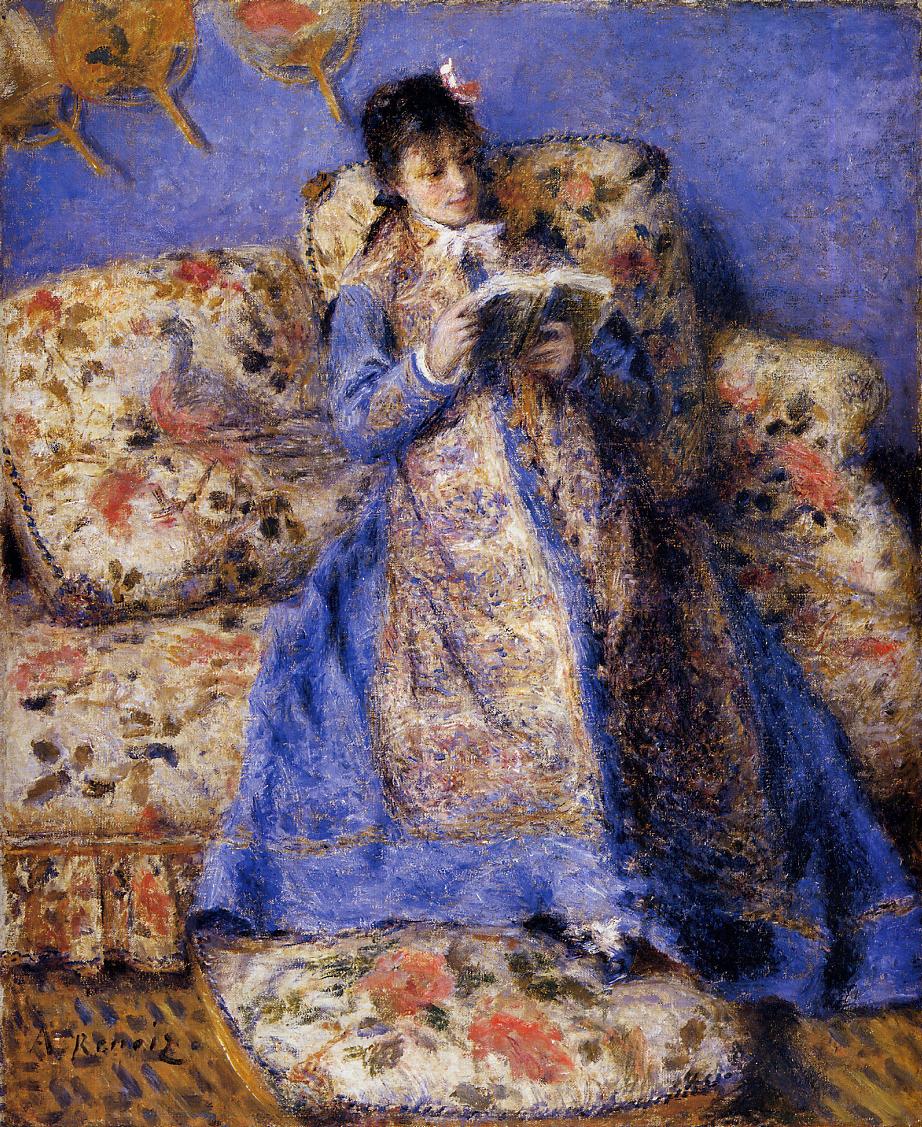
Auguste Renoir painted Madame Monet – known as “La Monette” – several times.

"Camille Monet Reading," by Auguste Renoir, 1872

Here is one of the rare times her husband paints her face clearly enough to distinguish her features, particularly her huge and sad-looking eyes. She often looks melancholy.

"The Bench," by Claude Monet, 1873

In 1876, Camille Monet fell ill with what is believed to have been cervical cancer. In “Camille Holding a Posy of Violets,” below, one can see the toll the disease has had on her health. She looks tired, older, and pale. It is speculated that her expression betrays her disgust with her husband who, by then, was openly carrying on a flirtation with their mutual friend, Alice Hoschede. Alice and her two children shared a house with the Monets.

"Camille Holding a Posy of Violets," or "Portrait," by Claude Monet, 1877

In 1878, Camille gave birth to a second son, Michel. Her health was dangerously weakened. Although Monet was not as attentive as he could have been to his wife, he loved Camille and was devastated that she was dying. For a time, he lost the desire to paint.

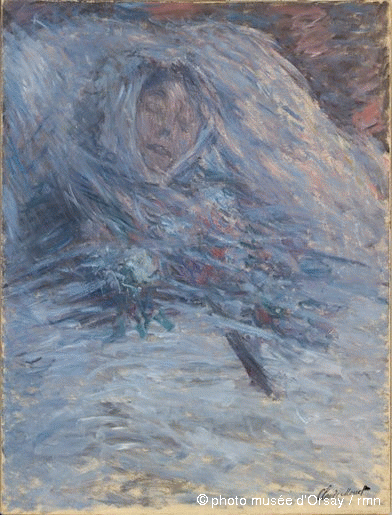
Finally Camille’s long suffering came to an end on September 5, 1879. Monet was grief-stricken. But even his internal pain could not stifle his passion to paint. Camille – his model-wife – was his muse, his inspiration to paint. At her deathbed, he took out his paints and painted her last portrait.

"Camille on her Deathbed," by Claude Monet, 1879

“I caught myself watching her tragic forehead,” Monet wrote afterwards to a friend, “almost mechanically observing the sequence of changing colours that death was imposing on her rigid face. Blue, yellow, grey and so on… my reflexes compelled me to take unconscious action in spite of myself.”

Little is known about Camille Doncieux Monet (1847-1879) mainly because Monet’s mistress and second wife, Alice Hoschede, was so jealous of Camille that she demanded that Monet destroy all mementos – letters, photos – anything – that attested to Camille’s very existence. (1)

(1) Gedo, Mary Mathews. Monet and His Muse: Camille Monet in the Artist’s Life. Chicago: University of Chicago Press, 2010.

British Prime Minister David Cameron’s government is moving ahead with plans to change succession laws so that if Will and Kate have a daughter, she will be able to ascend to the throne. Under existing rules, if the Duke and Duchess of Cambridge‘s first child is a girl but their second child is a boy, the son would pass over his sister and inherit the throne. Cameron wrote,

We espouse gender equality in all other aspects of life, and it is an anomaly that in the rules relating to the highest public officer we continue to enshrine male superiority.”

Read more at People.

For more on this blog about Will & Kate, click here.

Jackie Kennedy

In 1966, multimillionaire Robert David Lion Gardiner invited Jackie Kennedy to visit him on to his private islet, Gardiners Island, off the coast of Long Island. Gardiners Island had been in Gardiner’s family for four centuries and was one of the largest privately-owned islands in the world.

Eunice Bailey Oakes Gardiner and Robert David Lion Gardiner

Gardiner arranged a dinner party for Jackie which was attended by both Gardiner and wife, the former British model Eunice Bailey Oakes, and several others.

After dinner, the guests retired to the lavish wood-paneled den, where coffee and cognac were served. According to Gardiner, he watched as Jackie took out a cigarette and looked around for a light. A gold cigarette lighter belonging to Eunice lay on a  nearby table. Jackie picked it up and used it to light her cigarette. Then, inexplicably, she slipped the lighter into her evening bag.

Gardiner was aghast. Jackie Kennedy had deliberately stolen his wife’s lighter.

Gardiner didn’t know what to do. Several uncomfortable minutes later, he went over to his humidor and took out a cigar. Turning to the roomful of guests, he asked:

Have any of you seen my wife’s gold cigarette lighter?” 

Getting no response, he addressed his most distinguished guest:

Did you, Mrs. Kennedy? I believe you were the last one to use it.”

Jackie shrugged, replying in her little girl voice:  

I have no idea where it went. ”

The lighter was never returned to its owner. Gardiner was furious and retaliated by spreading stories accusing Jackie of kleptomania.

Jackie Kennedy and Aristotle Onassis, June 5, 1969, at Kennedy Airport, New York. The couple had been married less than a year.

The gossip reached the Greek ears of Aristotle Onassis, Jackie’s husband from 1968-75, who sent Gardiner a check for $5,000, along with a note threatening legal action for slander. Jackie had admitted to Ari that she had accidentally placed the lighter in her purse that evening at Gardiner’s but had, since then, simply lost track of it.

At some point, though, the missing lighter “resurfaced.” After Jacqueline Kennedy Onassis’s death in 1994, the lighter was auctioned off at Sotheby’s in New York as part of her multi-million-dollar estate.

Source: Bobby and Jackie: A Love Story. New York: Atria, 2009.

Readers, for more posts on Jackie Kennedy on this blog, click here.

Addiction claims another victim. Amy Winehouse is dead at age 27.

Chemical dependence claimed another victim today: 27 year old Amy Winehouse, British rocker, was found dead at her London flat this afternoon. 

The Definition of Addiction 

Answer yes or no to the following seven questions. Most questions have more than one part, because everyone behaves slightly differently in addiction. You only need to answer yes to one part for that question to count as a positive response. 

  1. Tolerance. Has your use of drugs or alcohol increased over time?
  2. Withdrawal. When you stop using, have you ever experienced physical or emotional withdrawal? Have you had any of the following symptoms: irritability, anxiety, shakes, sweats, nausea, or vomiting?
  3. Difficulty controlling your use. Do you sometimes use more or for a longer time than you would like? Do you sometimes drink to get drunk? Do you stop after a few drink usually, or does one drink lead to more drinks?
  4. Negative consequences. Have you continued to use even though there have been negative consequences to your mood, self-esteem, health, job, or family?
  5. Neglecting or postponing activities. Have you ever put off or reduced social, recreational, work, or household activities because of your use?
  6. Spending significant time or emotional energy. Have you spent a significant amount of time obtaining, using, concealing, planning, or recovering from your use? Have you spend a lot of time thinking about using? Have you ever concealed or minimized your use? Have you ever thought of schemes to avoid getting caught?
  7. Desire to cut down. Have you sometimes thought about cutting down or controlling your use? Have you ever made unsuccessful attempts to cut down or control your use?

If you answered yes to at least 3 of these questions, then you meet the medical definition of addiction. This definition is based on the of American Psychiatric Association (DSM-IV) and the World Health Organization (ICD-10) criteria.(1

Read more about the death of Amy Winehouse at the Daily Mail.

Read more about Amy Winehouse’s life at NPR.

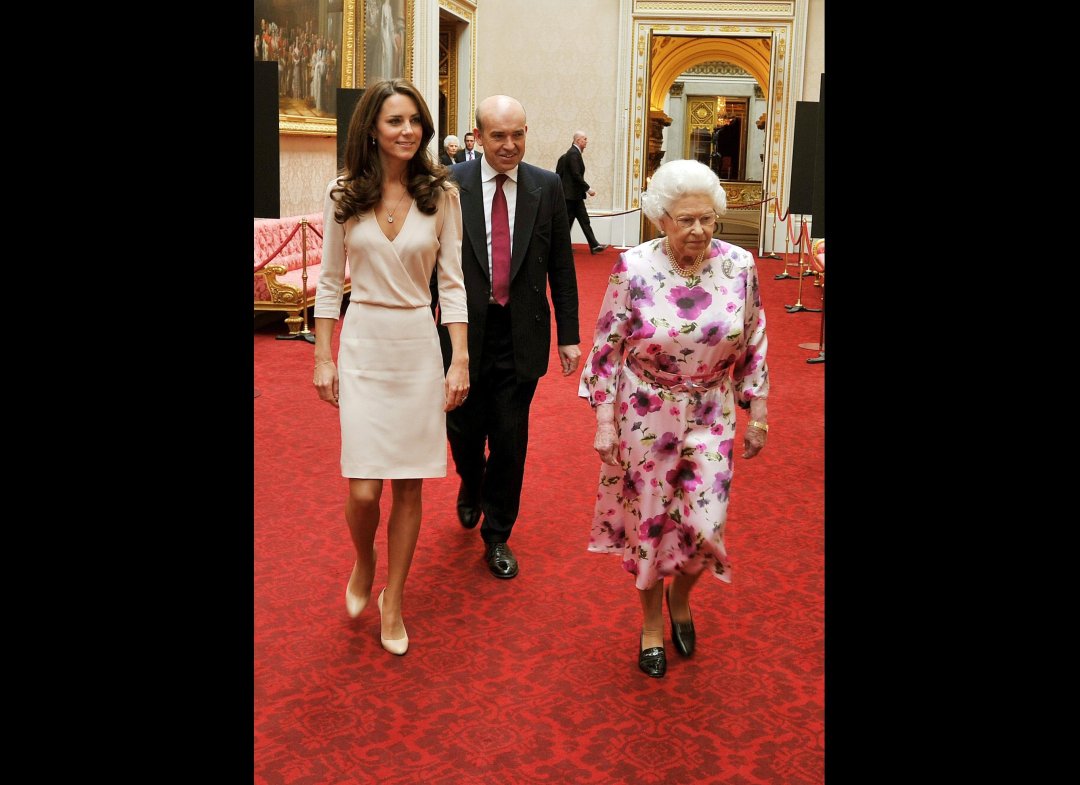
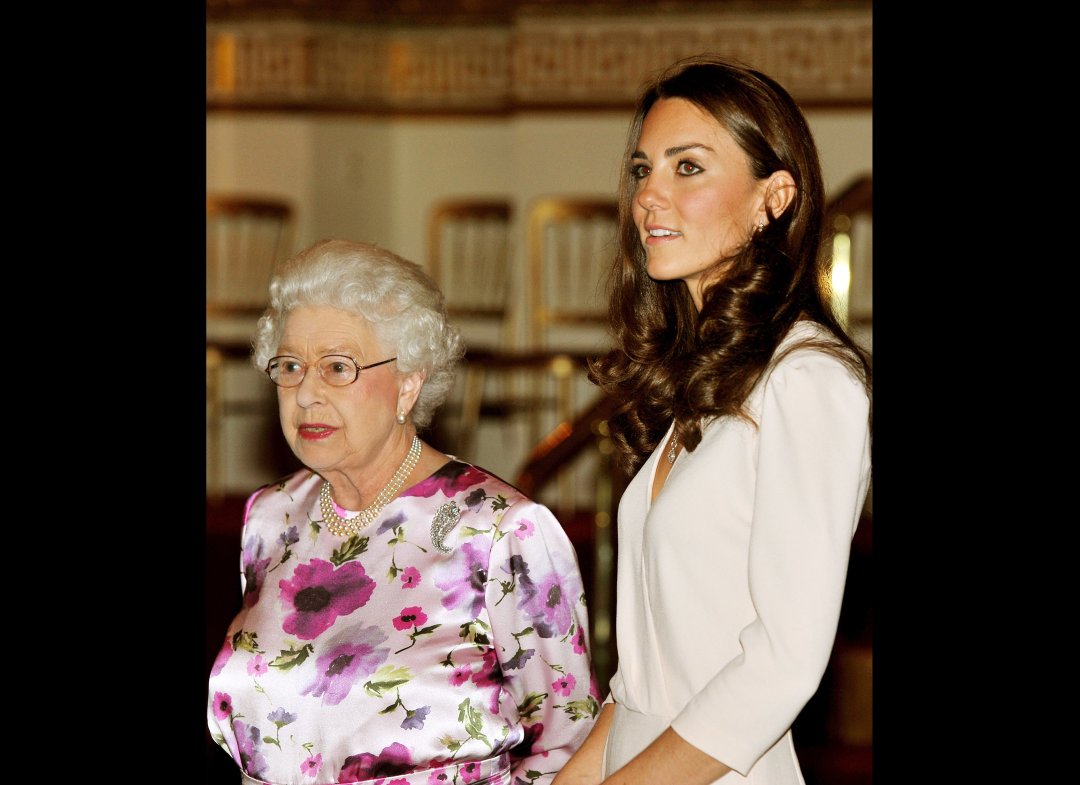
Queen Elizabeth II and Catherine, the Duchess of Cambridge, took a preview tour of Buckingham Palace’s royal wedding exhibit on Friday. 

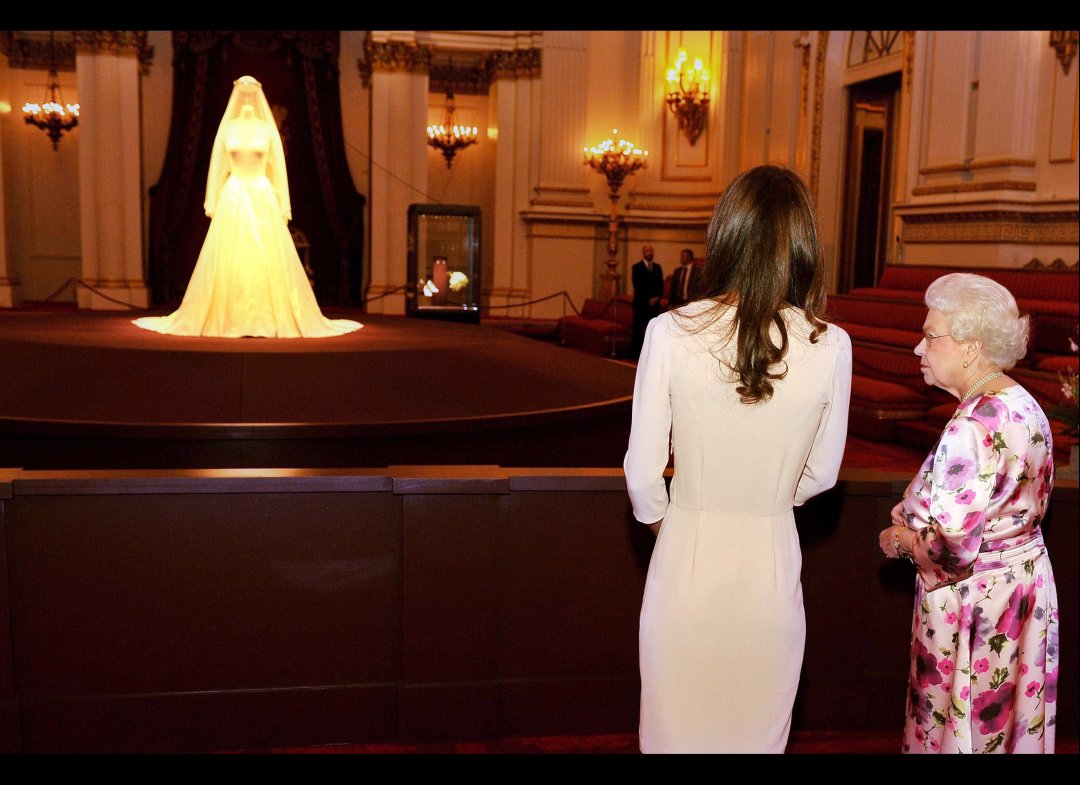
Catherine, Duchess of Cambridge, and her grandmother-in-law, Queen Elizabeth II of Great Britain, are on their way to view Buckingham Palace's royal wedding exhibit, July 22, 2011. Uncharacterically, the Queen is not carrying her trusty handbag.

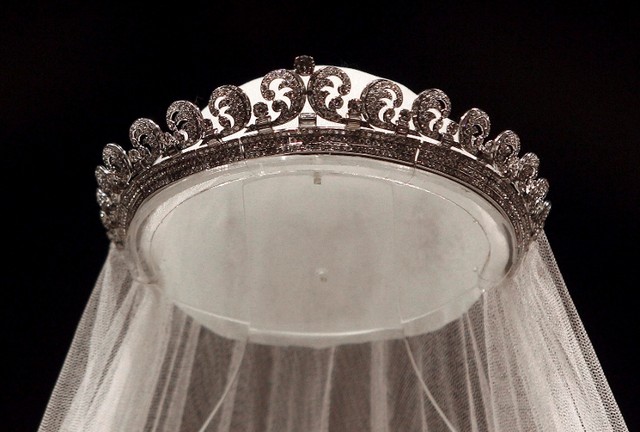
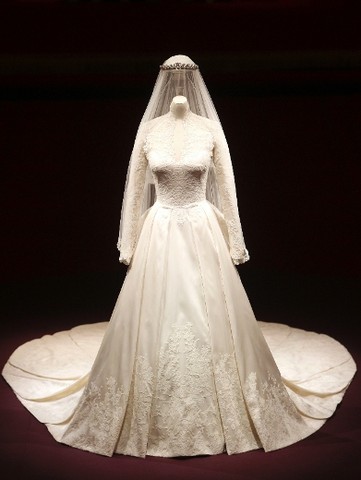
The Royal Collection show, called “The Royal Wedding Dress: A Story of Great British Design,” opened to the public today. It brings together the Duchess of Cambridge’s Alexander McQueen white and ivory Irish lace wedding dress, shoes, tiara, earrings, and a replica bouquet for the public to view up close.

Among the items displayed at the Queen's London residence include the Cartier Halo tiara, worn by Kate Middleton on her wedding day. The understated headpiece was made in 1936 and purchased by the Duke of York (later King George VI) for his wife, Elizabeth's mother (also Elizabeth). Queen Elizabeth received it as an 18th-birthday present, at which time she was Princess Elizabeth. The delicate diamond tiara was lent to Kate by the Queen.

The Palace expects over 500,000 people to buy tickets to the ten-week exhibit. Both at home and abroad, Prince William and Kate are wildly popular, as evidenced by the overwhelmingly warm reception they received earlier this summer on their 2011 Royal Tour of Canada with a detour to Hollywood.

Kate Middleton's bridal shoes will be on display at Buckingham Palace this summer. Custom made by Alexander McQueen's Sarah Burton to match her wedding dress, Kate's elegant pumps are made of ivory duchesse satin with lace hand-embroidered by the Royal School of Needlework.

Kate and William’s wedding cake was a fruit cake designed by Fiona Cairns. It was covered in cream and white icing, decorated with over 900 sugar paste flowers and elaborate scrollwork. Fiona Cairns’ cakes are in huge demand; Sir Paul McCartney orders one every Christmas.

Kate designed her wedding cake to match its surroundings. She took into account that her wedding reception was to be held in the Picture Gallery in Buckingham Palace. The room has high ceilings so she chose a cake that towered but was not too tall or thin. She wanted something with presence. Architectural elements in the room, for instance, garlands on the walls, were reproduced loosely on the fourth tier piping: roses, acorns, ivy leaves, apple blossom and bridal roses. The cakemaker would not reveal her exact recipe but did disclose that she used a range of produce from dried fruits such as raisins and sultanas to walnuts, cherries, grated oranges and lemon, French brandy and free-range eggs and flour to create her historic confection.

Of course, the centerpiece of the exhibit was Kate’s wedding dress and veil. An ongoing tradition, viewing royal wedding gowns has wide public appeal. For instance, Princess Diana‘s 1981 Elizabeth Emanuel wedding gown continues to be viewed and is currently part of a travelling exhibition. 

Kate and the Queen view Kate's wedding gown display in Buckingham Palace. July 20, 2011.

Upon viewing the installation of Kate’s wedding dress and veil, the Queen was heard to exclaim, 

“Horrid, isn’t it? Horrid and dreadful!”


The Queen is not amused.

The ivory and white Alexander McQueen gown is displayed in a dark and gloomy fashion with the veil and tiara hovering eerily above. 

The Duchess of Cambridge's wedding gown is displayed without a mannequin.

It appeared the mannequin’s lack of a head may have upset the Queen.

Source: HuffStyle 

Readers: For more on Lisa’s History Room about the British Royal Family, click here.